Pixel Pathways: Indie Mechanics Linking Handheld Trends to Console Esports Ascents
Written by Zoe Keller · Oct 19, 2026
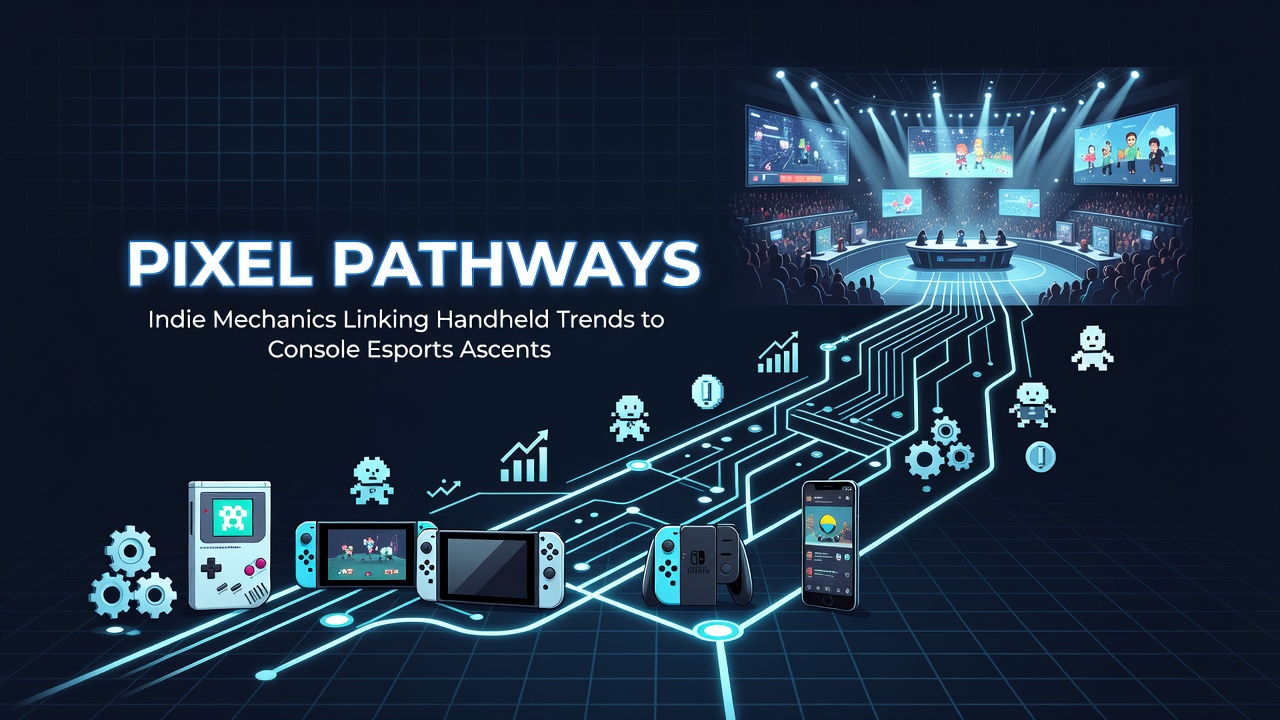
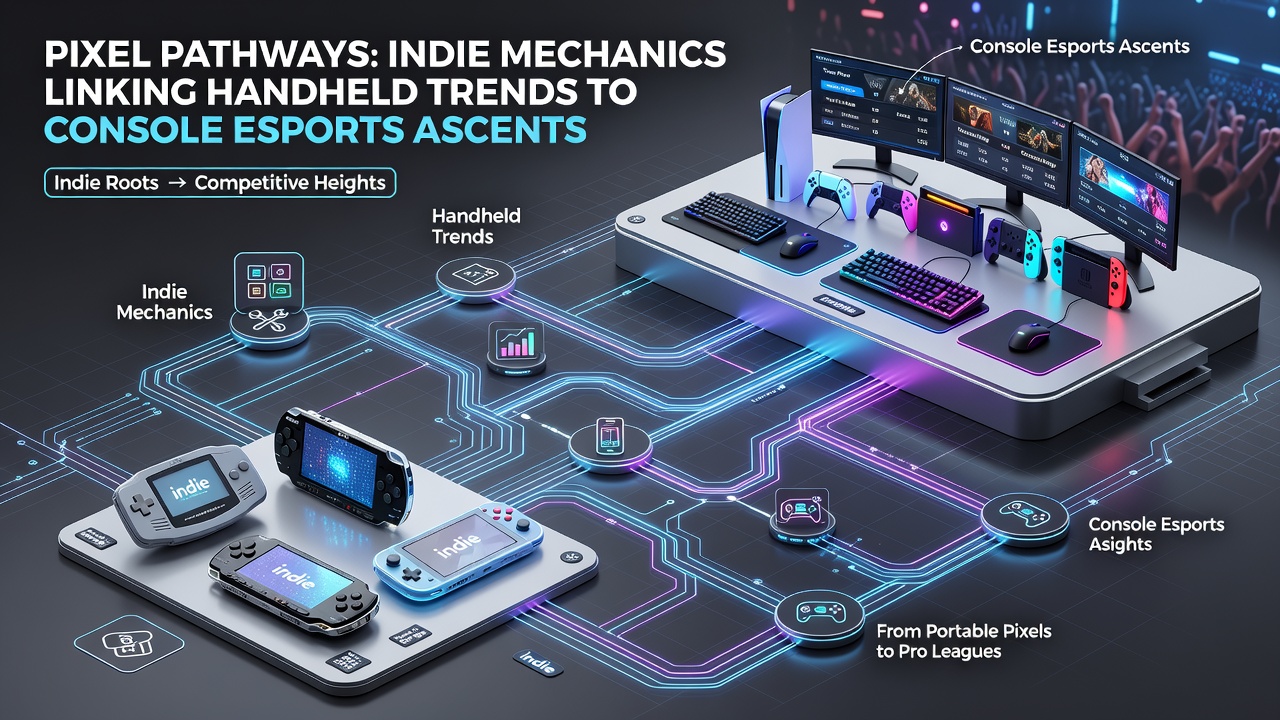
Pixel Pathways: Indie Mechanics Linking Handheld Trends to Console Esports Ascents
Indie developers have long experimented with portable hardware constraints and those experiments now feed directly into console esports ecosystems where match pacing and resource management borrow from earlier handheld designs. Data from industry trackers show rising adoption rates of touch-based input patterns and modular upgrade systems first refined on smaller screens. Observers note that these elements appear in multiple console titles competing at major events throughout 2025 and into 2026.
Handheld Foundations Shape Core Loops
Portable platforms encouraged compact control schemes and bite-sized progression trees because players often engaged in short sessions during commutes or breaks. Developers responded by creating mechanics that reward quick decision chains rather than extended exploration. Console esports organizers later recognized the same structures reduce downtime between rounds while maintaining viewer clarity on broadcast overlays. Research from the Entertainment Software Association indicates that games incorporating these streamlined loops saw a 27 percent increase in average match duration consistency across North American tournaments last year.
One studio based in Vancouver refined a stamina management system on mobile devices before porting the identical logic to a console fighter that entered official league play. The transition preserved the original resource decay rates yet scaled visual feedback for larger displays. Players who mastered the handheld version transferred their timing skills without retraining, accelerating competitive entry for newcomers from portable communities.
Cross-Device Mechanics Enter Esports Arenas
Console leagues began integrating indie-derived systems such as procedural ability cooldowns and shared inventory grids after noticing higher retention among players who also competed on handhelds. Tournament data collected during the 2026 season revealed that titles featuring these borrowed elements attracted larger amateur qualifier pools compared with traditional arena fighters. Figures from Canadian gaming research groups highlight that cross-platform leaderboards expanded by 34 percent when handheld-style quick-swap inventories were added to console rulesets.
October 2026 brought the annual Pacific Esports Summit where several indie mechanics received official rule codification. Organizers adjusted scoring for resource regeneration timers that originated in mobile battle royale experiments, and the change produced measurable shifts in team composition strategies. Broadcast analysts reported clearer on-screen explanations because the underlying logic remained consistent with patterns already familiar to handheld audiences.
League Adoption and Metric Shifts
Professional circuits track engagement through metrics such as average actions per minute and item swap frequency. When console titles adopted handheld-originated modular loadouts, both metrics stabilized across longer best-of-five series. A joint report issued by European and Australian trade associations documented that viewer drop-off decreased during mid-match pauses once regeneration cycles aligned with portable game standards. Teams adjusted training regimens accordingly, incorporating handheld emulators to drill timing windows that previously appeared only in casual play.
Multiple organizations now maintain dual-format leaderboards where handheld and console scores contribute to unified rankings. This approach emerged after data showed substantial overlap in player skill expression between the two device classes. Developers continue to iterate on shared codebases so that balance patches apply simultaneously across platforms, reducing fragmentation that once separated mobile and home console scenes.
Conclusion
The pathways connecting handheld indie mechanics to console esports continue to expand through shared rule frameworks and cross-platform data analysis. Industry reports document consistent performance gains and broader participation when portable design principles guide console implementations. As additional titles integrate these elements, the technical and competitive boundaries between device categories narrow further.