Recognition Cycles Bridge Console Narratives to Mobile Shooter Leaderboard Shifts
Written by Ben Frank · Sep 7, 2026
Recognition Cycles Bridge Console Narratives to Mobile Shooter Leaderboard Shifts
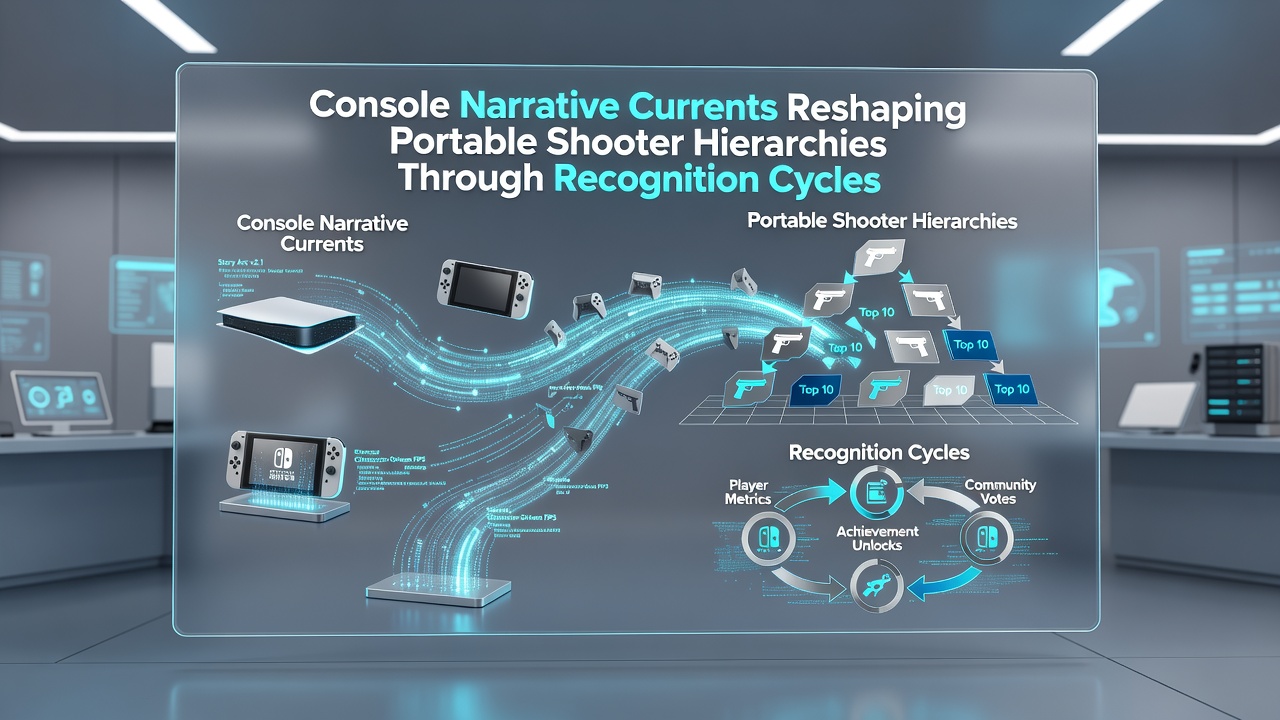
Data from industry reports shows console titles incorporating layered storytelling mechanics have seen their narrative frameworks referenced in mobile shooter updates during recent award seasons, while portable platforms integrate similar plot devices to climb competitive rankings. Observers note these patterns emerge most clearly when major recognition events highlight console releases, prompting developers across device types to adapt character arcs and world-building elements that previously remained exclusive to larger screens.Award Seasons Trigger Cross-Platform Adaptations
September 2026 marked another cycle where titles receiving nods from bodies such as the Entertainment Software Association gained visibility, and mobile shooter developers responded by embedding dialogue trees and backstory modules drawn from those recognized works. Figures reveal that after such events, downloads for portable shooters featuring expanded narrative components rose in several regions, according to aggregated platform metrics. Researchers tracking these movements point to feedback loops where award attention on console RPG-shooter hybrids encourages mobile teams to test comparable systems in seasonal patches.
Mechanics Move from Stationary to Handheld Formats
Console releases often pioneer branching mission structures tied to player choices, and portable shooters have begun mirroring these through limited-choice events that alter match outcomes without disrupting core gameplay loops. Studies from academic sources in Canada indicate players engage longer when mobile titles layer minimal story progression onto competitive matches, mirroring patterns established on home consoles years earlier. The process unfolds gradually as recognition accumulates, allowing developers to refine implementations based on leaderboard data rather than speculation.
Leaderboard Data Reflects Narrative Integration Trends
Rankings on mobile charts demonstrate shifts when titles introduce character-driven side objectives that echo award-winning console designs, while pure action-focused entries maintain positions but show slower growth in retention metrics. Industry organizations in Australia have documented how seasonal recognition events correlate with spikes in narrative feature adoption across genres, including shooters. Teams monitor these patterns closely because sustained leaderboard presence often depends on balancing fast-paced combat with light story hooks that reward repeated sessions.
Regional Variations in Adoption Patterns
European markets display quicker uptake of story elements following awards compared to other areas, according to cross-regional analyses, whereas North American mobile charts favor titles that blend narrative with established competitive modes. These differences arise because local player bases respond variably to recognition signals from global events, prompting developers to customize updates by territory. Data indicates the strongest gains occur when console narrative innovations receive validation through multiple award categories rather than single honors.
Developer Strategies Align with Recognition Feedback
Studios producing both console and mobile content coordinate release windows around award announcements, allowing narrative systems tested on larger platforms to migrate once validation arrives. Research papers from institutions in the Asia-Pacific region highlight how such timing reduces risk for portable adaptations, since leaderboard performance can be projected from console reception data. The approach yields measurable results when mobile versions incorporate choice-based progression that affects cosmetic rewards or match modifiers without altering core balance.
Conclusion
Recognition cycles continue to serve as conduits for narrative techniques originating on consoles to influence mobile shooter hierarchies, with leaderboard positions reflecting these integrations over successive award periods. Platform data and industry tracking confirm the pattern persists across regions, driven by observable responses to validated design elements rather than isolated experiments. Future cycles will likely extend these connections as more titles bridge device formats through shared storytelling frameworks.