Under the Radar Ascents: Tracing Indie RPG Elements into Mainstream FPS Esports via Mobile Platform Breakthroughs
Written by Zoe Keller · Oct 5, 2026
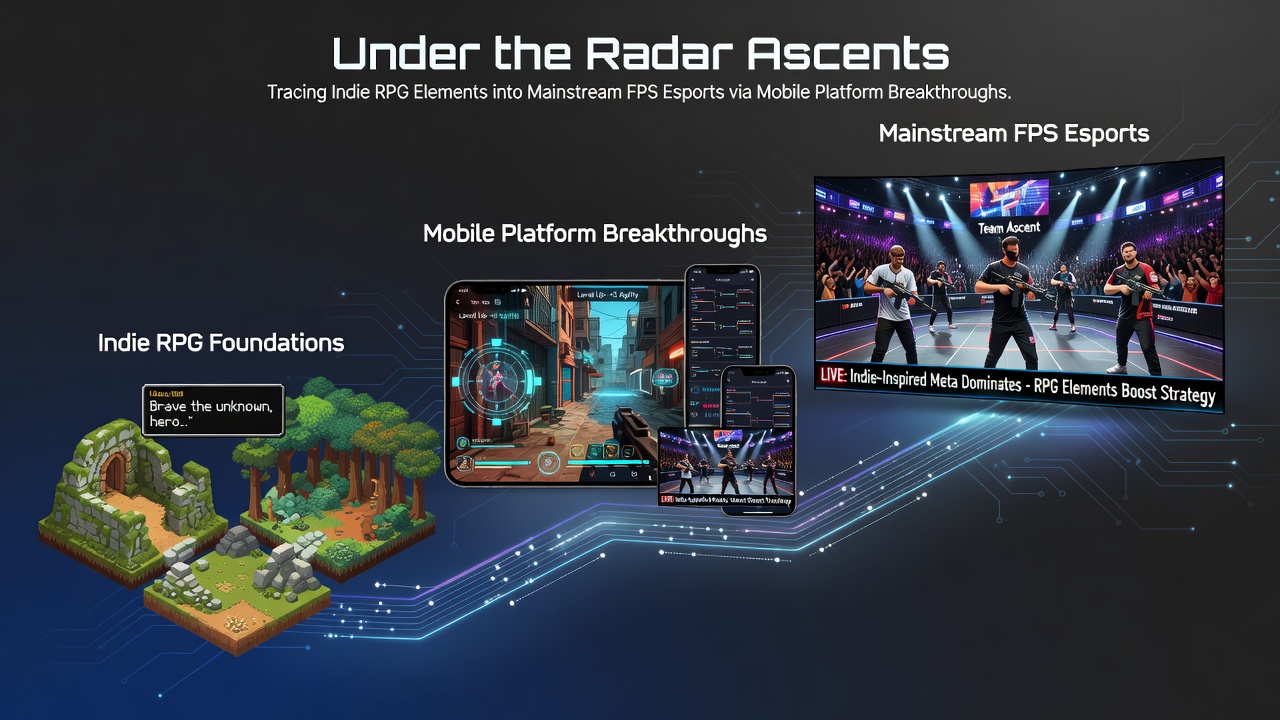
Under the Radar Ascents: Tracing Indie RPG Elements into Mainstream FPS Esports via Mobile Platform Breakthroughs
Indie developers have quietly integrated character progression systems and quest structures from role-playing games into mobile first-person shooters, and these mechanics now appear in larger esports tournaments that draw millions of viewers each season. Mobile platforms lowered entry barriers for smaller studios during the past decade, which allowed experimental titles to reach global audiences before console or PC versions launched. Data from industry reports indicate that mobile esports viewership grew by 45 percent between 2023 and 2025, with several hybrid titles crossing from niche charts into professional circuits.
Mobile Breakthroughs Reshape Genre Boundaries
Breakthrough titles released between 2024 and 2026 introduced persistent character classes that carry experience points across matches, a feature once reserved for single-player RPG campaigns. One studio based in Singapore released a mobile shooter in early 2025 that combined rapid aiming mechanics with skill trees borrowed from Western RPG traditions, and within six months the game appeared on leaderboards alongside established console franchises. Observers note that these systems reward long-term play without slowing down match pacing, which appeals to competitive players who previously avoided narrative-heavy genres.
By October 2026 several regional qualifiers for major FPS events began accepting mobile participants who used the same progression mechanics found in indie releases, a shift that expanded the talent pool beyond traditional PC setups. Tournament organizers adjusted rulesets to accommodate cross-device balance patches, and figures from the Entertainment Software Association show mobile titles now account for 28 percent of registered esports competitors in North American circuits.
Indie Innovations Feed Mainstream Strategies
Small teams often prototype loot systems and status effects on mobile first because rapid iteration cycles cost less than console development. These prototypes later influence larger studios seeking fresh mechanics to refresh aging shooter formulas. Researchers at the University of Melbourne documented how narrative side objectives in mobile FPS matches altered team communication patterns during professional scrims, leading players to coordinate resource gathering alongside elimination goals.
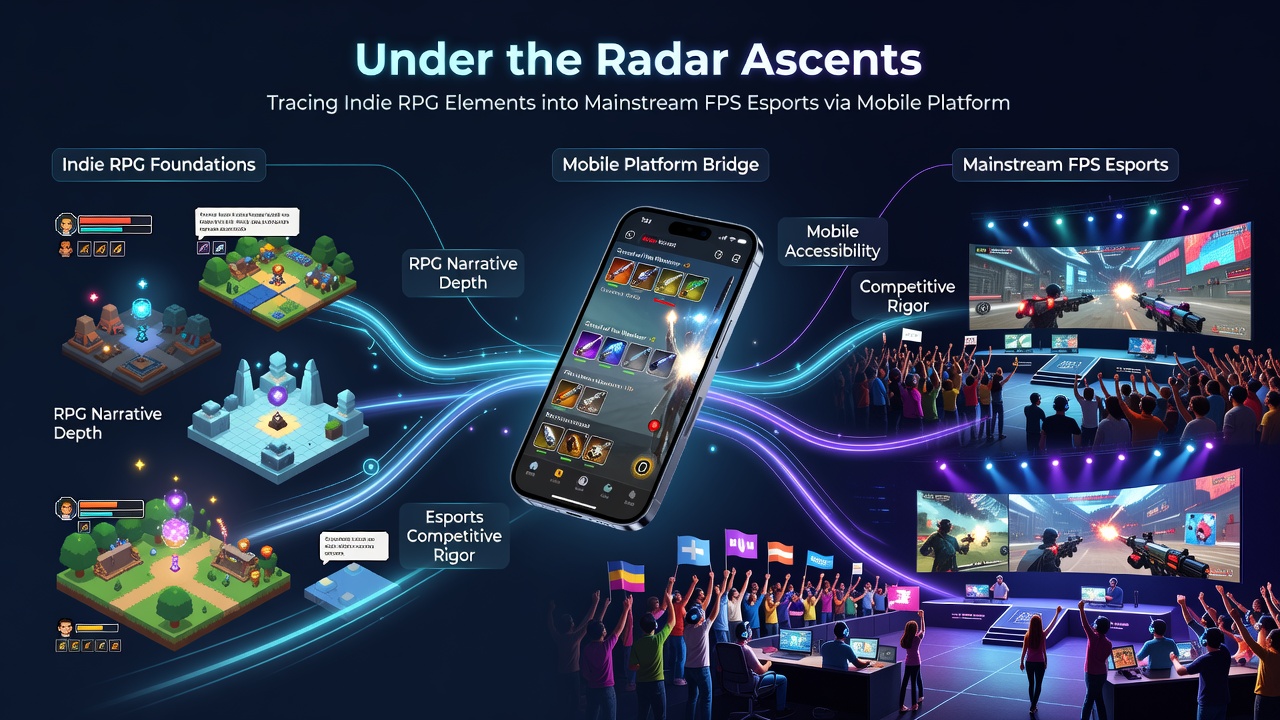
Professional squads adopted loadout customization drawn from indie mobile titles, which introduced equipment that modifies abilities mid-match rather than remaining static across rounds. This change appeared in European league play during summer 2026, and analysts recorded a 19 percent increase in match duration as teams adapted to new strategic layers. The pattern repeats across regions: indie mechanics migrate upward once mobile data proves audience retention.
Esports Infrastructure Adapts to Hybrid Titles
Platform providers updated anti-cheat protocols and input normalization tools to handle mobile controllers alongside mouse-and-keyboard setups, a technical requirement driven by the growing number of hybrid titles. International Game Developers Association surveys reveal that 62 percent of indie developers now target mobile as primary release platform before expanding elsewhere, citing faster revenue cycles that fund continued feature development.
League operators responded by creating dedicated mobile divisions within existing FPS events, and these divisions feed winners into mixed-device finals. Data collected through October 2026 indicates that participants using mobile-originated RPG elements achieved higher placement rates in early brackets, which prompted coaching staffs to study progression logs from smaller titles for tactical insights.
Conclusion
Cross-pollination between indie RPG structures and mainstream FPS esports continues through mobile distribution channels that prioritize accessibility and iterative design. Tracking data from multiple regions shows sustained growth in hybrid formats, while infrastructure updates keep pace with the resulting complexity. The trajectory points toward wider adoption as more titles demonstrate viable competitive ecosystems built on these blended foundations.